


Leave Your Message
Pickup Parts have seen a rapid increase in global demand lately, primarily due to the growing dependency on pickup trucks for commercial and personal purposes. According to a report from MarketsandMarkets, global pickup trucks market is predicted to reach USD 60 billion by 2025 with increasing customers' preferences towards vehicles providing versatility and robustness. Therefore, knowledge about the technical specifications is essential and most important for pickup parts, as they concern the use performance, safety, and functionality of a pickup vehicle. As buyers around the globe become more sophisticated, increased awareness of specifications becomes indispensable for decision making on purchasing.
DEYANG HONGKAI AUTO TRADING CO., LTD. stands well prepared to carry forward this growth pattern. The company originally began with domestic truck trading in Sichuan Province, China, and diversified into other business activities with the passing years. 2023 has actually marked a major turning point as the company took the pace to foreign trade, especially in the refurbished trucks segment, for deep investment and hit significant milestone breakthroughs. DEYANG HONGKAI continues to offer high-quality Pickup Parts, which meet international standards, to maximize service to global buyers seeking reliability and quality in their automotive components while contributing their greater role in the evolution of the pickup trucks market.
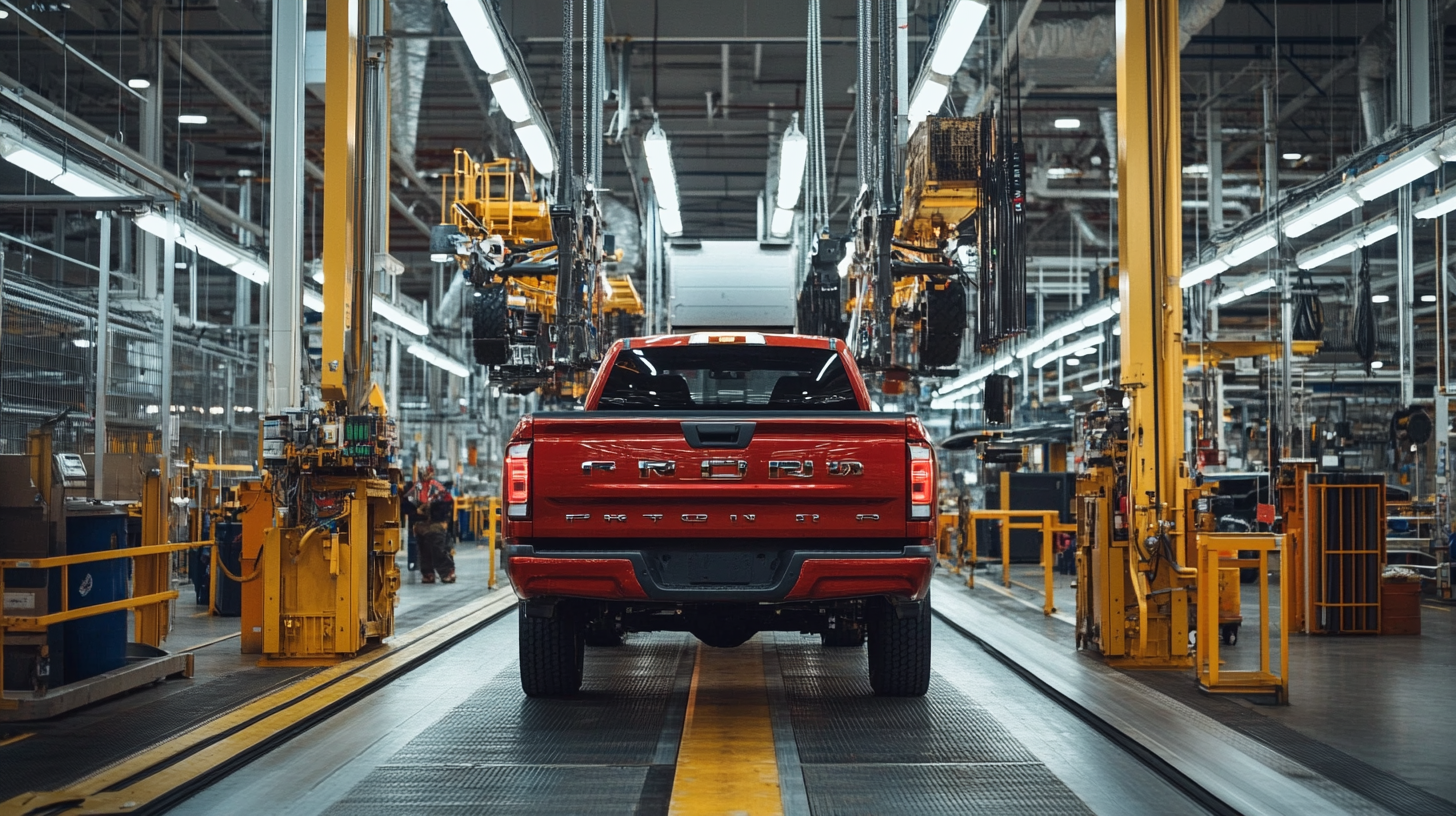
Pickup parts are directly responsible for vehicle performance, perhaps now more than ever, with the ever-changing market embracing advanced technology. Modern pickups blend performance with elegance in catering to a diverse set of drivers. The hybrid and electric powertrains recently introduced in upcoming models are the trend toward environmentally friendly and efficient vehicles. According to a report made by the International Council on Clean Transportation, electric commercial vehicles, such as pickups, are expected to become a significant share of total vehicle sales by 2030, which emphasizes their relevance in the future automotive discussion. On the performance-oriented technical side, parts like the drivetrain and suspension system rank high on the list of components that help make that performance happen. Because consumers are driving demand for off-road capability, manufacturers invest significantly in new technologies to improve competing four-wheel-drive systems. The latest advancements in shift-on-the-fly technology allow for the seamless transition from two- to four-wheel drive, thus enhancing handling and adaptability to different terrains. Vehicle test reviews have reported that even minor variations in these components can dramatically affect fuel consumption figures and overall vehicle handling; therefore, the use of quality pickup parts is critical for manufacturers and buyers alike. Understanding these specifications will become crucial for consumers trying to protect their investment as a barrage of competitor models, notably the latest electric pickups, enter the market. Performance measures such as torque and horsepower greatly influence the ability of a given pickup to accomplish heavy-duty tasks, and this is where technical specifications of the parts used become so important. The varying specifications thus present unique opportunities to the pickup industry for tailoring products so would-be buyers can have a vehicle that meets and exceeds their performance expectations.

When it comes to purchasing pickup parts, recognizing the all-important technical specifications is critical in making wise decisions. Critical features such as compatibility, material quality, performance rating, and warranty factors should be put into consideration by prospective buyers. Compatibility will tell the consumer that the parts in question would fit the specific make-or-model vehicle, hence no need for cost-draining returns or modification, while checking the material quality—such as whether parts are made with high-grade steel or aluminum—may significantly influence durability and lifespans.
Performance rating of the pickup parts is another key specification. All entities, from brake components to suspension parts and on to engine components, have set standards regarding performance that every buyer must comply with in accordance with each individual driver's preference of use. What a buyer should look for is the testing condition of such part as to the kind of environment-and thus should be able to satisfy the requirements of different driving styles as well as the terrains where the vehicle would be used. It is also woth looking into conditions on the warranty of the part-one which shows not only that the manufacturer believes in it but to convince the potential buyer into relaxing into freedom from anxiety regarding its performance.
Finally, no doubt, the most well-acquainted person about the latest technologies in pickup parts is the consumer himself-his demands and uses keep changing from day to day. For example, the modern pick-up truck is being integrated with better aerodynamics, weight reduction techniques, and improved fuel efficiency features, making it very versatile. Customers with such specifications hardly find it difficult to sort among their options regarding purchasing parts that will add to the versatility and endurance of their vehicles.
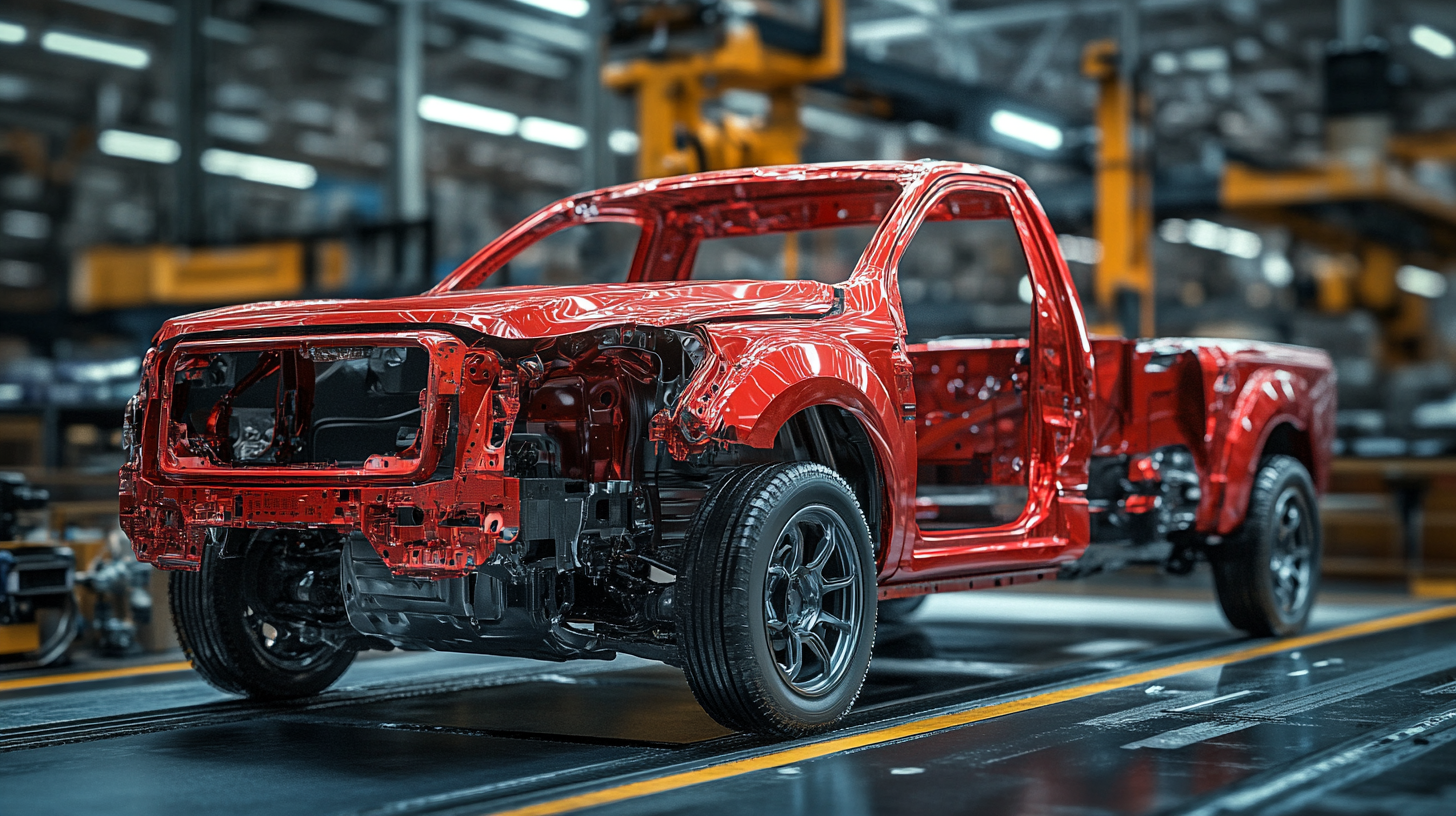
Material quality is paramount when it comes to determining not only the function but also the durability of the components of pickup parts. Buyers must consider the quality of raw materials used when manufacturing these components as they directly influence durability and performance. For instance, high-quality materials such as steel, aluminum, and composite polymers provide the strength and resilience necessary for withstanding everyday use. Parts manufactured to top-grade steel or aluminum, for example, resist corrosion and fatigue better and are, therefore, expected to last longer.
The impact of material quality goes beyond durability. It influences how well the vehicle performs overall. Components made from inferior materials may thus fail when stressed and impact efficiency, maintenance costs, and a possible safety hazard risk. Going against that, high-standard materials can improve not only the integrity of the structure but also the performance-sufficing pickup trucks to handle rough terrains. This is particularly relevant to those global buyers who often rely on their vehicles for trips to challenging climates.
Buying good quality parts for a pickup is not simply investment-wise but also a commitment to safety and reliability. Buyers should also get to know the specifications and certifications behind the materials used to type these parts. Realizing the meaning that material quality carries will lead to wise purchasing decisions on parts meant to be fitted to pickups and, thus the superior driving experience and safety-concerned investment.
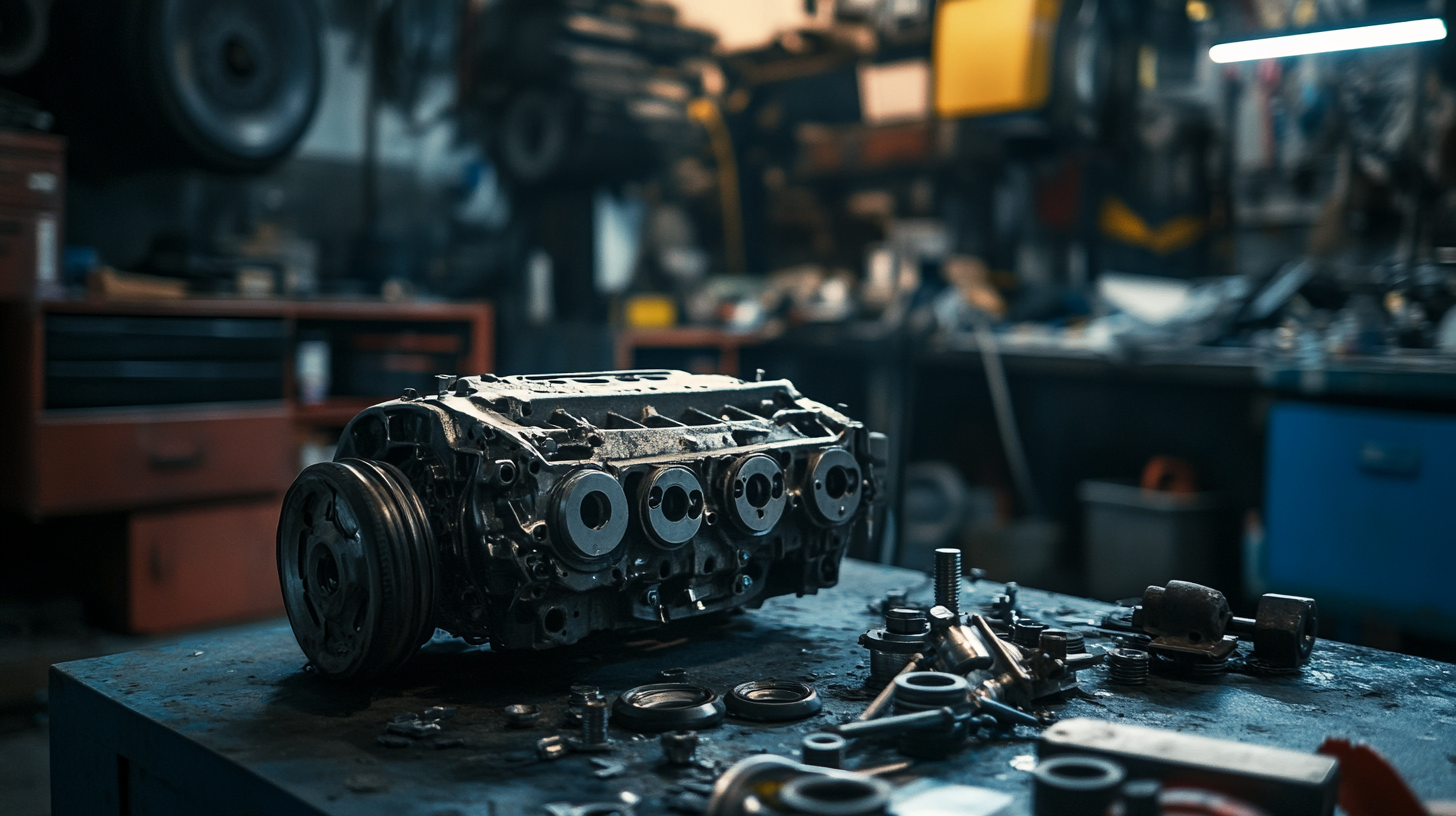
Dismantling and studying every component of pickup parts is a prerequisite for understanding how all these parts come together to provide the specific functionality and performance of the pickup itself. One of the most common parts is the pickup coil, which converts mechanical vibrations of strings into electrical signals. By a report of Music Industries Association, high-quality coils improve sound clarity giving a more robust tone to appreciate even the musicians of the best tastes.
It is concerning the bridge, as well, because it has a role that transmits the vibration of the strings to the body pickup itself. A good-designed bridge will therefore also be made of things like brass or titanium and, as a result, will enhance the sustain as well as the quality of tone. As per a survey by the Guitar Manufacturers Association, 78% of working professionals agree that the bridge material and design influence the sound produced by their instrument.
Another important thing to note regarding pickup parts is the volume and tone pots, which affect output and tonal characteristics. The resistance values and qualitive features of the materials used in such potentiometers dramatically affect tonal range and dynamic response. According to the research conducted by the International Journal of Musical Technology, it has been found that performance of electric guitars can be improved considerably, by 15 to 20%, entirely depending on the use of improved quality components in these fields.
This is usually not noted, but wiring used in pickups is important as well. Type of wire and gauge affect the strength of the signal and how much noise is introduced. According to research conducted by the Electronic Components Association, using lower gauge wire will reduce losses and retain significant portions of the tonal integrity in the entire signal chain. Knowing these individual components will help global buyers in making better decisions for the improvement of their musical experience.
The pickup technology keeps on advancing with an ever-release of innovations that promise to endow the equipment with enhanced functionality and performance. One such progress in pickup parts is the introduction of light-weight materials like advanced composites and aluminum alloys. The effect of reduced weight did not only come with fuel saves but also made much different designs for manufacturers to yield strong pickups which deliver efficiency still meet demands of their global buyers.
Another very important figure is smart technology in pickup systems. With adaptive cruise control, collision-avoidance sensors, and state-of-the-art infotainment systems, it is now possible to make major strides in driving. Safety and convenience have just gone a notch higher, thanks to the inventions that make driving in complex but highly congested environments easy. For buyers, it's not just a vehicle but this extra feature ensures the transportation is quite an asset in terms of its intelligent application to life in modernity.
Furthermore, electric-aided hybrids and entirely electric pickups are trending. The manufacturers have developed such models which reduce the carbon footprint to the minimum possible while optimum power and performance are not compromised in the advancement toward sustainability. The emergence of electric pickups is a big leap that will get witnessed by the industry into the hearts and minds of consumers with a green conscience, ensuring brighter green future horizons for them in terms of transport Possible. Customers worldwide will have increasingly more options available as these changes take place.
Extended compliance and quality assurance for pickup parts are thus of utmost significance due to the expanding global market. The recent set of rules announced by China's National Internet Information Office, meant to facilitate and standardize the flow of cross-border data, stresses the necessity for companies to put in place stiff compliance measures while exporting data and their products related to pickup parts. These measures not only serve the purpose of protecting personal information but also tend to uphold the whole integrity of the supply chain.
Industry reports have shown that the global pickup truck parts market should experience considerable growth at a CAGR of about 5.4% during the period from 2021 to 2026. This growth is further accelerated by rising demand for vehicle customization and better performance. Nevertheless, manufacturers must work towards achieving international standards and compliance guidelines, like ISO/TS 16949, which are directed toward quality management systems in the automotive supply chain, if they intend to profit from such growth.
Integrating quality assurance requirements and services into initiatives from companies like SGS and e-commerce platforms demonstrates the role of quality assurance in online transactions and logistics. Through such cooperation, trust is developed in the minds of international buyers while ensuring that pickup parts conform to stringent quality expectations in many overseas markets. Emphasizing compliance and quality will assist businesses in averting potential legal issues; additionally, it will give them an edge in reputation and competitiveness in the international arena.
Prices for pickup parts are determined by multiple variables, a few of which must be known to global buyers. MarketsandMarkets indicated that due to the increasing popularity of pickup parts in various markets, by 2025, the global automotive parts market would reach USD 2.3 trillion, with pickup parts forming a significant segment. Buyers must appreciate the cost variables in order to maneuver competitively through this market chain.
One variable affecting pricing is material costs of pickup parts. Advanced materials such as aluminum and carbon fiber, used to improve performance and fuel economy, would tend to increase prices astronomically. Research by Grand View Research has shown that material innovation enhances functionality and detracts from longevity and maintenance cost, which ultimately weighs on the buyer's total investment.
Next, labor costs are in the forefront of pricing decisions concerning pickup parts. Progressive manufacturing processes-especially with growing automation and robotics-have caused labor costs to increase or decrease, depending on technology and workforce efficiency in the same context. The International Organization of Motor Vehicle Manufacturers (OICA) surmised that labor costs account for around 18% of automotive industry total production costs; this acknowledges that labor dynamics do play a role in pricing decisions.
Lastly, supply chain ramifications-including transport logistics and import tariffs-are linked to pricing in pickup parts. According to Deloitte, severe fluctuations in price are likely to be caused by disturbances to the global supply chain due to geopolitical tensions or global pandemics. Buyers should be aware of external factors such as these, which could successfully interfere with the accessibility and pricing of primary parts for their vehicles.
Navigating the international market for pickup parts is pretty hard for buyers because of the many B2B platforms present nowadays. Serious buyers should, therefore, delve into familiarizing themselves with reputable platforms facilitating international trade. Various B2B platforms are prominent players and are considered major hubs for sourcing assorted parts and actually flow with knowledge in product specification. These platforms serve as a marketplace for manufacturers and suppliers to engage in trade, and they also furnish useful information on product specifications.
In this respect, while assessing such international B2B marketplaces, buyers will always consider platforms that have built up a stronghold in the industry. For example, these include proactive networking opportunities, special events, linked supply chains, etc., which could be of immense benefit to buyers in search of quality pickup parts. Also, buyers should take a keen interest in the up-and-coming trends in the market as several platforms have begun modifying their services to address new niches, which would assist in the competitive sourcing and procurement process. Thus, with these tools and insider insights, buyers can make decisions that suit their functioning and fortify their purchasing strategies in the automotive parts market further.
Pickup parts are essential for optimizing vehicle performance, especially with advancements in technology. They affect handling, fuel efficiency, and the overall capability of the vehicle.
Electric and hybrid powertrains are a growing trend in the pickup market, offering environmentally friendly options that are projected to significantly increase in sales by 2030.
The drivetrain and suspension systems are crucial for optimizing a pickup's performance, particularly for off-road capabilities and fuel consumption efficiency.
Pricing is influenced by material costs, labor expenses, and supply chain logistics, including transportation costs and tariffs.
The use of advanced materials like aluminum and carbon fiber enhances performance and fuel efficiency but can significantly increase the costs of pickup parts.
Labor costs account for approximately 18% of total production costs in the automotive sector, impacting pricing strategies as manufacturing technology evolves.
Disruptions in the global supply chain, due to factors like geopolitical tensions or pandemics, can lead to significant price fluctuations for pickup parts.
Metrics such as torque and horsepower are critical in determining a pickup's ability to handle heavy-duty tasks and overall efficacy.
Understanding technical specifications helps buyers maximize their investment by ensuring they select vehicles that meet or exceed performance expectations.
The global automotive parts market is projected to reach USD 2.3 trillion by 2025, with pickup parts representing a significant portion due to their growing popularity.